
It ended. The doubt didn’t.
Therapy focused on your experience and rebuilding trust in your own needs.
Relationship Recovery
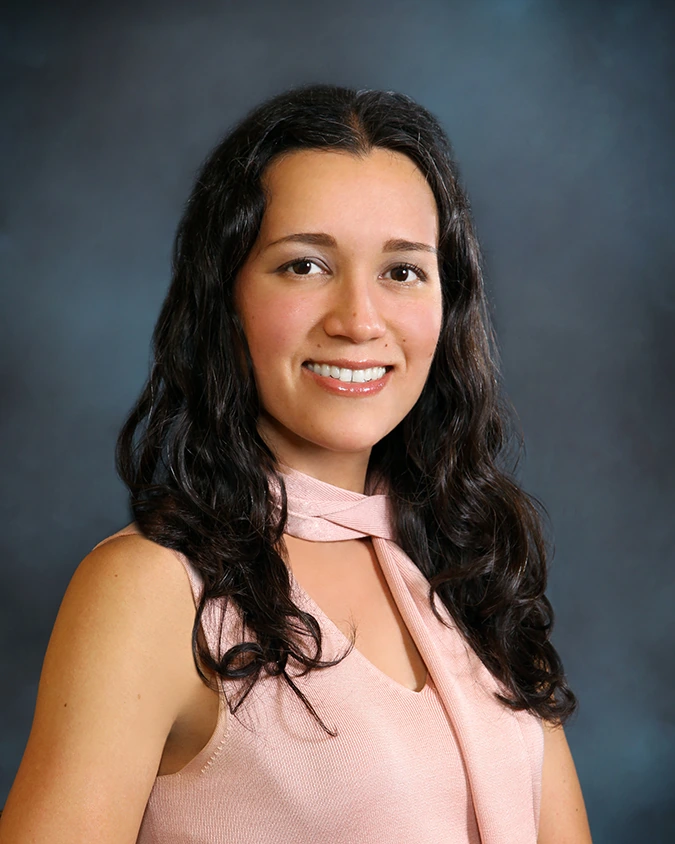
Marie Sarte, LCSW
You still check whether your feelings are “too much.” You apologize before you ask for anything. You replay old arguments, trying to work out who was right. This is a common aftermath, and it can change.
This Work Is About You
We won’t spend our time diagnosing the other person. We’ll focus on what you went through, how it affected you, and what you want now.
You don’t need to have left, have a label for it, or be sure it “counts.” If a relationship (romantic, family, or friendship) left you questioning yourself, that’s enough to talk about. People come while they are still in the relationship, right after a break-up, and years later when it is still affecting them more than feels healthy.
Your needs were never the problem.
What We Work On
- 01
Trusting your own read
Noticing your reactions and treating them as real information again.
- 02
Quieting the old voice
Separating the criticism you absorbed from what you actually believe about yourself.
- 03
Boundaries in practice
Practicing how to say no, ask for things, and stay steady when someone pushes back.
- 04
Going at your pace
A trauma-aware approach: you choose what to share and when.

What Can Shift
Reconnect with yourself, and choose on your own terms.
Healing from an emotionally abusive relationship, often with a narcissistic partner, means reconnecting with the person you were before you started editing yourself. Decisions start lining up with your own beliefs instead of someone else’s reactions.
Over time: trusting yourself, choosing healthy people, and living a meaningful life on your own terms.

Why This Matters to Me
Breaking a cycle, not just surviving one.
Years of working with trauma survivors led me to a commitment: addressing narcissistic abuse in intimate partner relationships, because it so often carries an intergenerational cycle of family harm forward. The work here is part of ending that cycle for you and for the people who come after you.
Consultation
Free, 15 minutes
A short call to see whether working together makes sense.
Sessions
50 minutes, weekly
Online in Oregon; In person at 1125 SE Market St, Portland, OR 97214. Rates are on Services and Rates.
Cancellations
48 hours notice
Rescheduling within the same week counts as a reschedule, not a late cancellation.
FAQ
Questions About This Work

I'm still in the relationship. Can I come?
Yes. You don't need to have left, or be sure you will. We focus on your experience and what you want, at your pace.
Was it really abuse if there was no yelling?
Emotional abuse is often quiet: criticism, blame, moving the goalposts, making you doubt your memory. If it left you questioning yourself, it is worth talking about.
Will we talk about my family too?
If you want to. Patterns of accepting mistreatment often have roots, and understanding them helps you choose differently now.




Start rebuilding trust in yourself.
Begin with a free 15-minute consultation. If you are in danger right now, call 911.