Anxiety and Overthinking
Decision Paralysis and Overthinking Choices
Choosing a major, a job offer, an apartment, or even a restaurant can turn into days of research and second-guessing. When every option seems to carry a risk of regret, deciding can feel impossible. CBT can help you look at the thinking and habits that make decisions so heavy.
Request a Consultation
When Choosing Feels Like a Test
For some people, a decision is not just a choice between options. It feels like proof of whether they are capable, responsible, or smart. That pressure makes it hard to accept any option that is not clearly the best. In therapy, you can look at what you believe a wrong choice would say about you, and whether that belief holds up when you examine it closely. Separating the decision from your sense of worth can make it lighter.
The Research Trap
Gathering information is useful, up to a point. With decision paralysis, research can become a way to postpone the discomfort of committing. You might read one more review, compare one more spreadsheet column, or ask one more person. Each step feels productive while the decision stays open. CBT can help you set a reasonable limit on information gathering and notice what happens when you reach it. Many people find the limit uncomfortable at first and then useful.
Fear of Regret
Many people stuck on decisions are trying to guarantee they will never feel regret. Since no option can promise that, the search continues. Therapy can explore how you have handled past choices that did not work out as planned. Often people find they adjusted and learned more than they expected. That history can support a more realistic view of what regret would mean. Regret becomes something you can survive, not something to avoid at any cost.
Practical Tools for Deciding
CBT work on decisions is concrete. You might clarify the two or three values that matter most for this choice, set a deadline, or decide that a good enough option is acceptable for now. You might also practice smaller decisions quickly to build confidence. These are experiments, and you review together what was helpful and what was not. Over time, you can notice which strategies make the next decision feel more manageable.
A Collaborative Starting Point
Marie works with teens, college students, young adults, and adults across Oregon. Life transitions, like finishing school or starting a career, often bring big decisions, and therapy can be a place to slow them down. Sessions are online in Oregon, with current Portland office availability to ask about. A free 15-minute consultation is available. If there is a specific decision weighing on you right now, it is fine to name it during that first call and ask how therapy might help you approach it.
Questions You May Have
Will a therapist tell me what to choose?
No. The focus is on the thinking and habits around deciding, so you can make choices in line with your own values.
Is this only for big life decisions?
No. Some people get stuck on daily choices too. Both are reasonable things to bring to therapy.
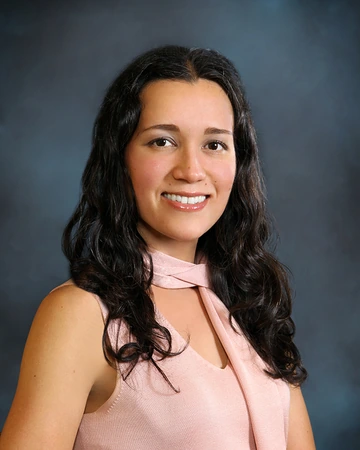
Marie Sarte, LCSW
A conversation is a place to start.
Request a free 15-minute consultation to discuss fit and practical questions.
View the Contact Page