Anxiety and Overthinking
Panic Attacks and How CBT Approaches Them
A panic attack can arrive suddenly: your heart pounds, your breath feels short, and you may feel sure something is badly wrong. Afterward, many people start watching for the next one and avoiding places where it happened. CBT offers a clear model for understanding that cycle and practical ways to work with it.
Request a Consultation
First, Check In With a Medical Provider
Panic symptoms can resemble other health concerns, so it is reasonable to talk with a medical provider about new or changing physical symptoms. That step is about ruling things out, not about deciding whether your experience is real. Once medical concerns have been considered, therapy can focus on how panic works for you. If you ever feel you are in immediate danger, call 911. For a mental health crisis, you can call or text 988.
The Panic Cycle
CBT describes panic as a loop. A body sensation, such as a skipped heartbeat or dizziness, is noticed and interpreted as a sign of danger. That interpretation raises fear, which produces more sensations, which seem to confirm the danger. The cycle can build quickly. Seeing it laid out on paper, with your own sensations and thoughts filled in, often helps people feel less caught off guard. It also gives you and Marie a shared language for later sessions.
Fear of the Fear
After a few panic attacks, many people begin to fear the sensations themselves. They may avoid exercise, caffeine, crowded stores, driving, or being far from home. They may carry water, sit near exits, or keep checking their pulse. These choices are understandable and can still narrow life over time. Therapy can help you map what you avoid and what you rely on to feel safe. Nothing changes until you have discussed it and agreed.
Gradual, Planned Practice
A common part of CBT for panic is carefully planned practice with feared sensations or situations, decided together and paced so it is challenging but workable. This might include exercises that bring on mild sensations in a session, or returning step by step to places you have avoided. The aim is to learn from direct experience how you respond, not to push through on willpower alone. Each step is reviewed together before the next one is planned.
Getting Support in Oregon
Marie works with teens, young adults, and adults across Oregon using practical, collaborative CBT. Online sessions are available statewide, and you can ask about current Portland office availability. A free 15-minute consultation lets you describe what panic has been like and ask how this work would be structured before you commit. It can help to note when panic tends to show up, what you have started avoiding, and what you would like to be able to do again, such as driving or going to class.
Questions You May Have
What should I do during a panic attack right now?
If you feel in danger, call 911. For a mental health crisis, call or text 988. Therapy focuses on longer term patterns.
Do you prescribe medication?
No. Marie is a therapist. Questions about medication belong with a medical provider.
Will we start with the hardest situations?
No. Practice is planned together and builds gradually from steps you agree to.
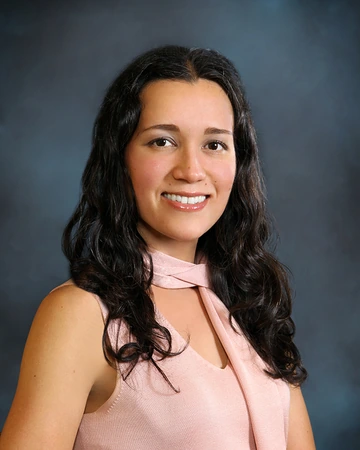
Marie Sarte, LCSW
A conversation is a place to start.
Request a free 15-minute consultation to discuss fit and practical questions.
View the Contact Page