Relationship Recovery
Recognizing Signs of Emotional Abuse
Emotional abuse rarely announces itself. It often shows up as a pattern of small moments that leave you smaller, quieter, and less sure of your own read on things. This page offers language for those patterns without asking you to label anyone, and explains how therapy with Marie can help you sort through what happened.
Request a Consultation
Patterns Matter More Than Single Moments
Every relationship has hard days and unkind words. What people often describe in emotionally abusive relationships is a repeating pattern: criticism that slowly becomes constant, affection that depends on compliance, or silence used as punishment. Looking at the pattern instead of one argument can make things clearer. You do not need a name for the other person's behavior to notice how it affected you, and you do not need to be certain about anything before you talk with a therapist about it.
Common Experiences People Describe
Some people describe checking their phone to predict someone's mood before walking in the door. Others describe being cut off from friends gradually, having money or plans closely monitored, or feeling that any disagreement turns into their fault. Some notice they apologize constantly. These experiences are not a checklist or a diagnosis. They are examples that sometimes help people put words to something that has felt hard to explain, even to themselves.
How It Can Show Up in You
The effects often appear in your own habits. You might rehearse simple conversations, hesitate before making small decisions, or feel a jolt of dread when a certain name appears on your screen. Some people feel numb, while others feel on edge most of the day. Noticing these reactions is useful information. In CBT, Marie can help you look at the thoughts and responses that formed during the relationship and decide which ones still serve you.
Safety Comes First
If you are in danger now, call 911. The National Domestic Violence Hotline is available at 1-800-799-7233, and you can call or text 988 if you are in crisis. Advocates can talk through safety planning, including steps for leaving or staying safer at home. Please avoid putting detailed accounts of abuse into website forms or emails. A short note asking for a consultation is enough, and details can be discussed privately when you are ready.
Starting the Conversation
Marie offers a free 15-minute consultation to talk about what kind of support you are looking for and whether her practical, collaborative approach fits. You can share as much or as little as feels right. Ask about online therapy in Oregon or current Portland office availability and days, and bring any questions about scheduling or payment to that call. If talking about the relationship feels hard, you can start with how you are doing day to day. Many people begin with sleep, focus, or worry, and the rest unfolds over time.
Questions You May Have
Do I need to be sure it was abuse before reaching out?
No. Many people start therapy because something felt wrong and they want help understanding it. Certainty is not required.
Will therapy focus on the other person?
The focus is on you: your experience, your reactions, and what you want going forward. Marie does not diagnose people who are not in the room.
What should I write in the contact form?
Keep it brief, such as a request for a consultation. Please save detailed accounts for a private conversation.
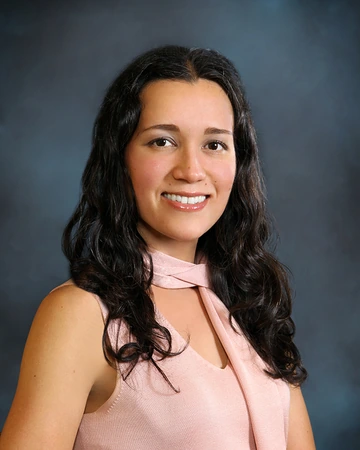
Marie Sarte, LCSW
A conversation is a place to start.
Request a free 15-minute consultation to discuss fit and practical questions.
View the Contact Page